082178277719
082178277719
Sago: The Staple Food of the Mentawai PeopleFor generations, sago has been the primary staple food of the Mentawai people....
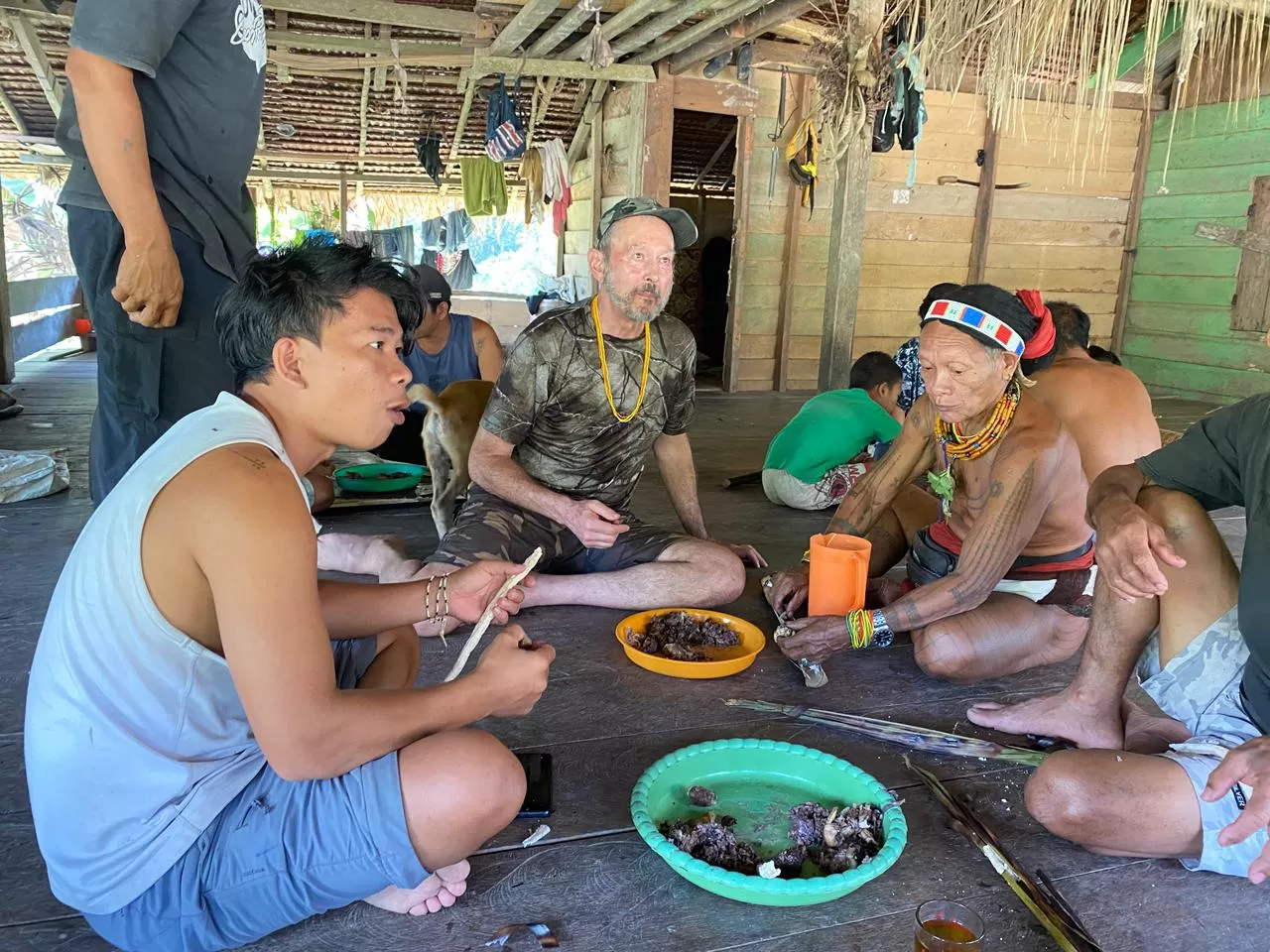
For generations, sago has been the primary staple food of the Mentawai people. Abundantly available throughout the Mentawai Islands, the sago palm provides an essential source of nutrition and plays a vital role in daily life.
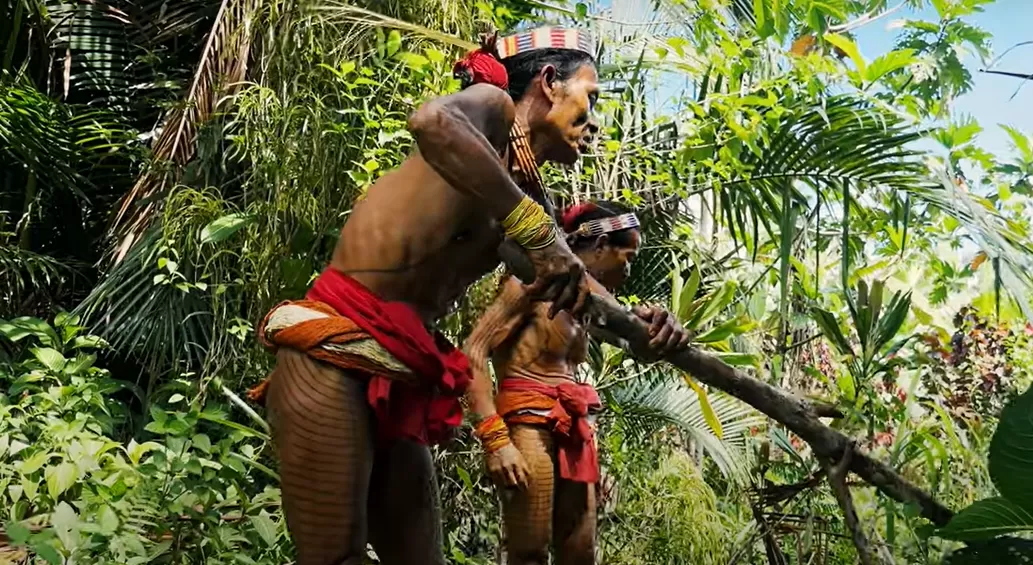
The processing of sago follows traditional methods. Mature sago palms are harvested, and the pith is grated and washed to extract starch. After settling, the starch is processed into various forms of food that serve as the main source of carbohydrates for local communities.
For the Mentawai people, sago is more than just food—it represents cultural identity and a sustainable relationship with nature.
Sago is commonly eaten alongside fish, game meat, and forest vegetables. Its filling nature makes it ideal for people who spend much of their time hunting, farming, and traveling through the rainforest.
Different families and communities may prepare sago in various ways, reflecting local traditions and preferences.
One of the most distinctive traditional foods in Mentawai is roasted sago. Prepared using simple traditional techniques, the sago dough is baked until it develops a firm outer texture while remaining soft inside.
It is often served with grilled fish or game meat, creating a nutritious meal deeply connected to local culture.
With many villages located near rivers, fish serve as an important source of protein. Traditional fishing techniques are still widely practiced and passed down through generations.
Fish are commonly grilled, boiled, or cooked with minimal seasoning, allowing their natural flavors to stand out.
Game meat, especially wild boar and domesticated pigs, plays a significant role in Mentawai culture. Pork is particularly important during traditional ceremonies, family celebrations, and community gatherings.
During these events, sharing food symbolizes unity, respect, and gratitude among community members.
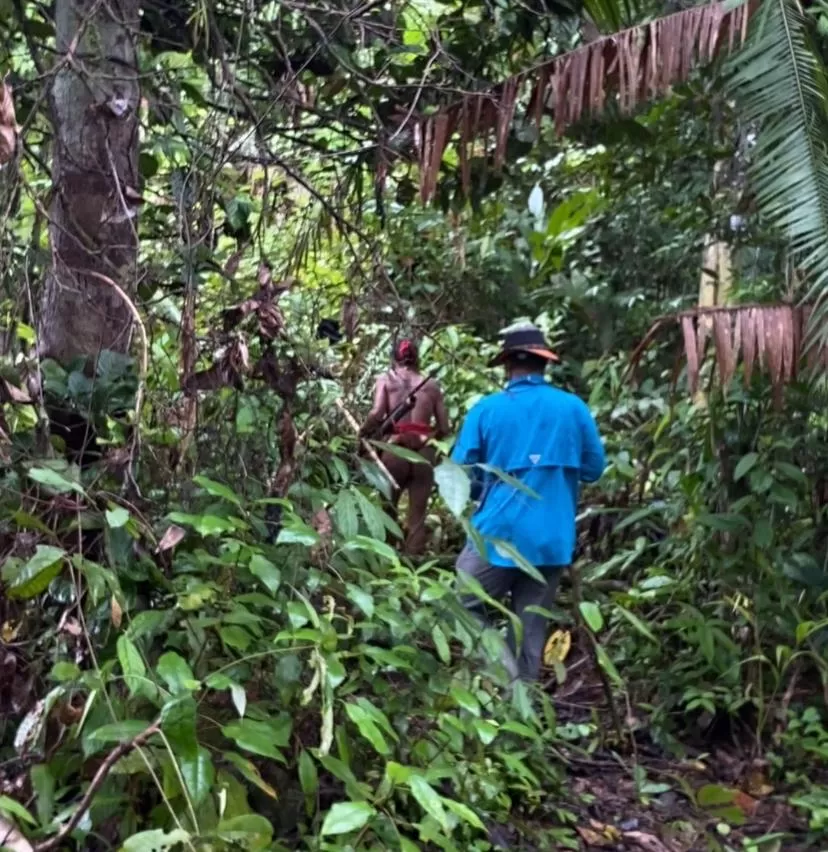
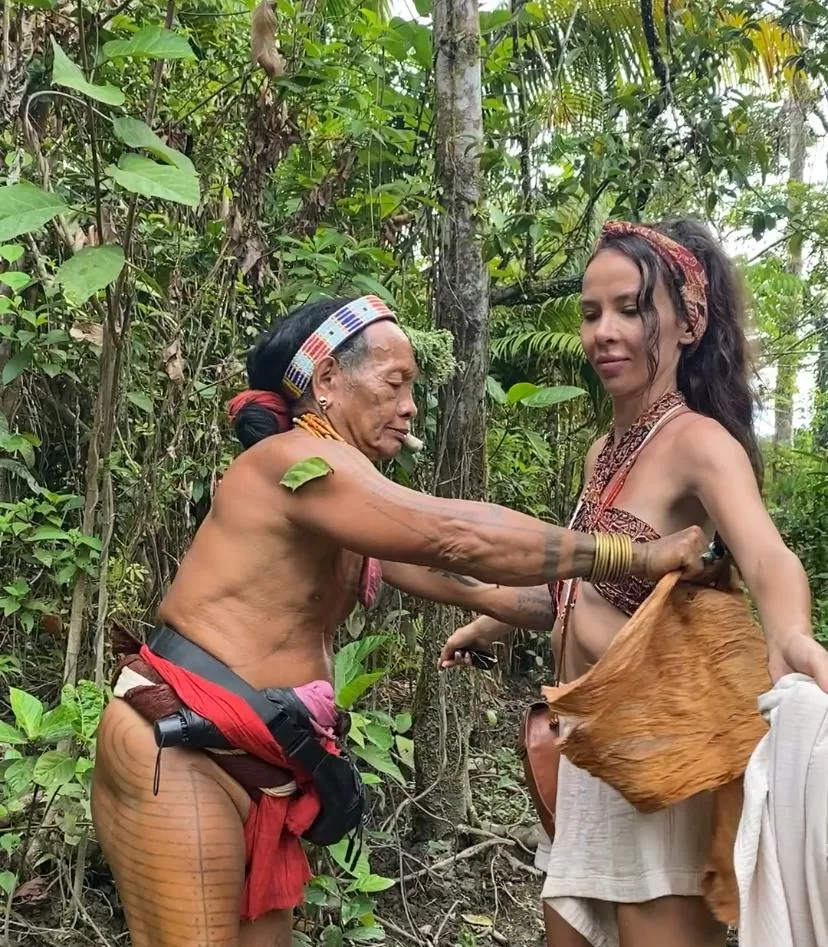
The forests of Siberut provide a variety of edible resources, including bananas, taro, coconuts, tubers, and wild fruits. The Mentawai people possess extensive knowledge of edible plants and traditional medicinal herbs.
This knowledge is passed from one generation to the next and remains an important part of their cultural heritage.
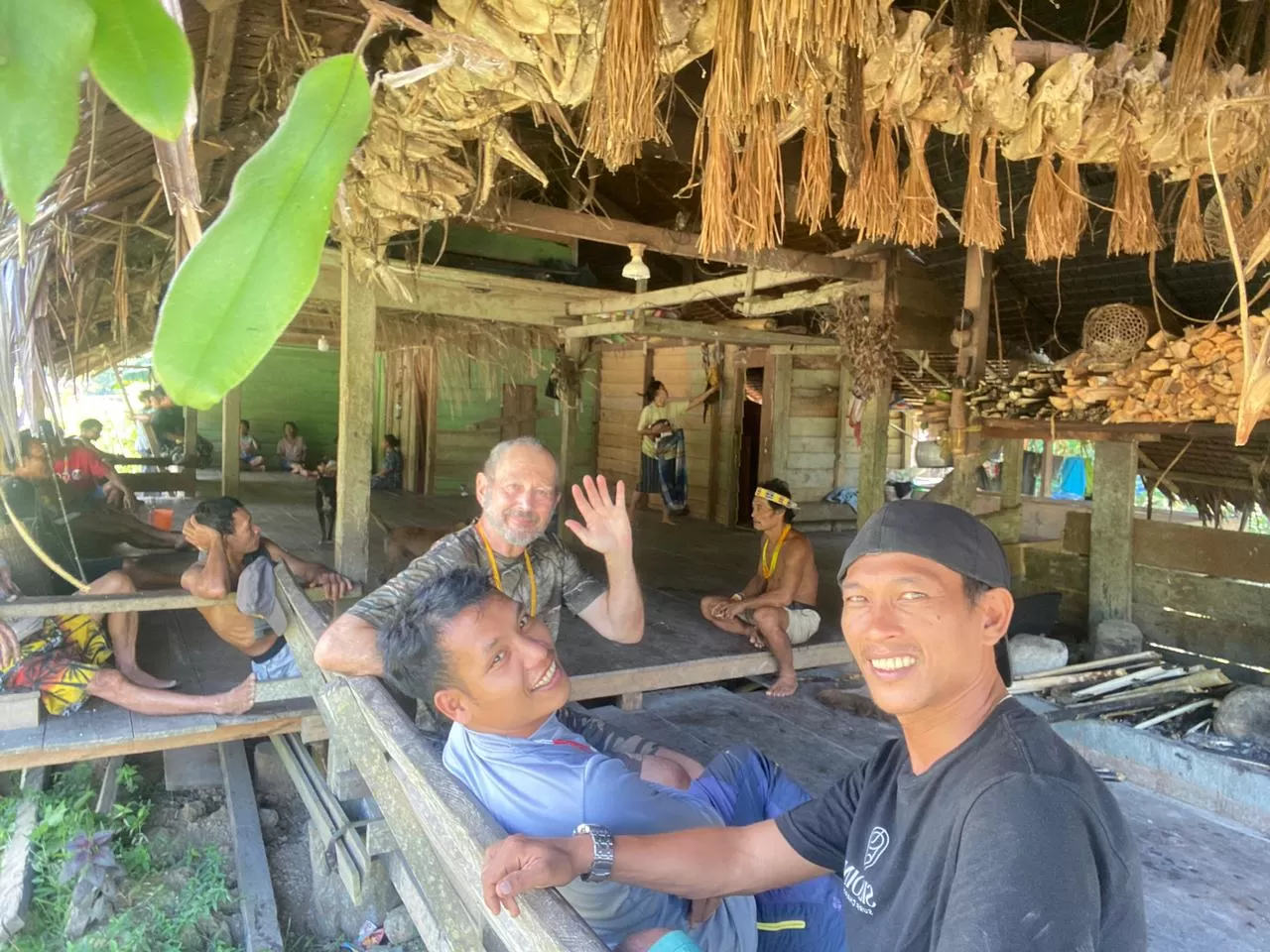
For travelers visiting the Mentawai interior, tasting traditional foods is an essential part of the cultural experience. Every meal reflects the deep connection between people, nature, and tradition that continues to shape Mentawai life today.
Through its cuisine, visitors gain a better understanding of how the Mentawai people sustainably utilize natural resources while preserving their ancestral heritage.